
Important Research Notice
MK-677 (Ibutamoren) is discussed here strictly for educational and research reference purposes only. It is not approved for human consumption, is not a dietary supplement, and is not a medicine. All information presented relates to laboratory, pre-clinical, or mechanistic research contexts and should not be interpreted as guidance, advice, or expected outcomes.
Introduction: Why Hair Biology Appears in MK-677 Research Discussions
MK-677 is most frequently referenced in scientific literature for its role as a ghrelin receptor agonist and its ability to stimulate endogenous growth hormone (GH) and insulin-like growth factor-1 (IGF-1) secretion in controlled research settings.
Because GH and IGF-1 are involved in a wide range of cellular signalling pathways, including those related to skin and hair follicle biology, MK-677 occasionally appears in academic discussions exploring how hormonal signalling influences hair follicle activity at a cellular and molecular level. Importantly, this interest remains theoretical and mechanistic, rather than outcome-based.
Growth Hormone, IGF-1, and Hair Follicle Biology
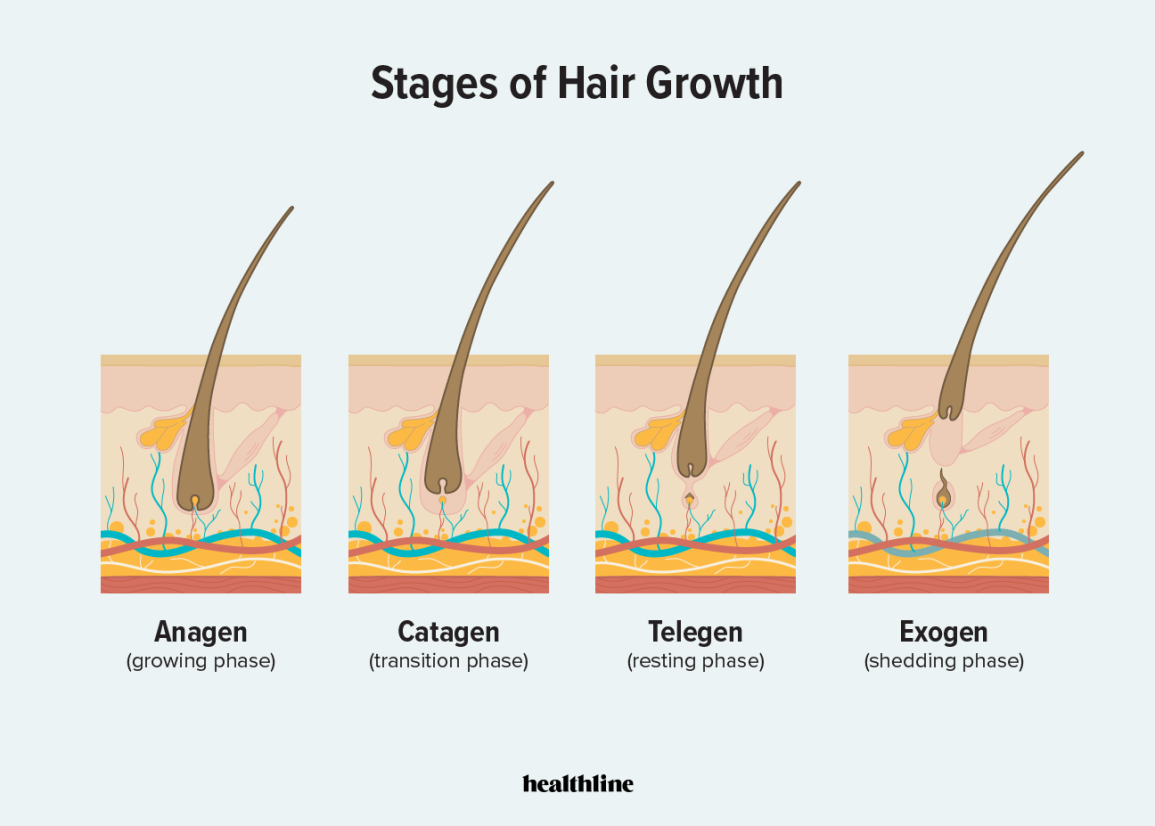
Hair follicles are complex mini-organs that undergo cyclical phases of growth, regression, and rest. Research into hair biology often examines how systemic hormones influence:
Dermal papilla cell signalling
Keratinocyte proliferation
Follicular stem cell activity
Local growth factor expression
Growth hormone and IGF-1 have been studied independently for their involvement in cell growth, differentiation, and tissue maintenance, including in skin and hair follicle models. Some experimental studies suggest that IGF-1 may play a role in supporting follicular cell viability under specific laboratory conditions.
Where MK-677 Fits Into This Research Context
MK-677 does not act directly on hair follicles. Instead, it is discussed in research as a compound that modulates upstream hormonal signalling, particularly GH and IGF-1 pathways.
In experimental settings, this indirect mechanism has prompted interest in whether changes in systemic signalling could influence downstream tissues, including skin and hair follicles. However, these discussions are based on biological plausibility, not direct evidence of effect.
Most research relevant to hair biology involves:
In vitro studies on dermal papilla cells
Animal models examining growth factor signalling
Observations related to GH or IGF-1 deficiencies
MK-677’s role within these discussions remains adjacent and exploratory, rather than conclusive.
What the Current Research Does Not Establish
A balanced interpretation of the literature requires clear acknowledgement of limitations:
There are no large-scale human clinical trials examining MK-677 and hair growth
Existing data does not establish a cause-and-effect relationship
Observations are largely indirect, inferred from GH/IGF-1 biology
Hair growth is influenced by numerous genetic, hormonal, and environmental factors
As a result, MK-677 should not be viewed as a compound with established relevance to hair growth outcomes.
Accessing the Scientific Literature
Published scientific literature examining growth hormone, IGF-1, and hair follicle biology, as well as research discussing MK-677’s role in hormonal signalling, can be accessed via the PubMed database, which indexes peer-reviewed biomedical research.
Reviewing primary sources and study methodologies is essential for understanding the scope and limitations of current findings.
Conclusion: A Theoretical Area of Ongoing Research Interest
MK-677’s appearance in hair-related research discussions reflects broader scientific interest in how systemic hormonal signalling influences peripheral tissues, rather than evidence of direct or predictable outcomes. While GH and IGF-1 are known to participate in skin and hair follicle biology, the relationship between MK-677-induced hormonal changes and hair follicle behaviour remains largely uncharacterised.
At present, MK-677’s relevance to hair research should be considered theoretical and exploratory, underscoring the need for cautious interpretation and reliance on primary scientific literature.
Further Reading
MK-677 and Sleep Quality: What Research Examines
An educational overview exploring how MK-677 appears in research discussions related to sleep architecture, circadian rhythm, and growth hormone signalling.
MK-677 and Bone Health: What the Scientific Literature Suggests
An analytical article reviewing how MK-677 is referenced in studies exploring growth hormone, IGF-1, and bone metabolism within controlled research settings.